
Helping you to understand DSA
How it can help you at uni, plus tips to get started
What is DSA?
DSA is an allowance provided by the UK government. It exists to provide support to students who may have a disability or affecting their ability to study.

This could include:
- a mental health condition, e.g. anxiety or depression
- neurodiversity, e.g. autism, ADHD or a specific learning difficulty, such as dyslexia
- a physical disability, e.g. cerebral palsy or spina bifida
- a sensory disability, e.g. having hearing or sight loss
- long-term health condition, e.g. cancer, chronic heart disease or HIV
DSA can help pay for specialist equipment (such as software or computer equipment), non-medical helper support (such as a sign language interpreter, note taker or mentor) and travel costs.
Here are four common myths about the DSA:
Myth #1: Applying for DSA will hurt my chances of getting into uni.
Truth:
The DSA application process is a completely separate process. Applying for DSA will never negatively affect your university acceptance. In fact, most universities will actively encourage you to apply.
Myth #2: If I apply for a DSA, everyone will know about it.
Truth:
The application process is entirely confidential, respecting your privacy and treating your personal journey with the utmost dignity and sensitivity.
Myth #3: DSA is a complicated loan you have to pay back.
Truth:
DSA is a grant that you do not need to pay back. It's an allowance to support you with costs you may have as a result of your additional needs.
Myth #4: DSA is only for physically disabled students.
Truth:
DSA is there to support students who are autistic, neurodiverse or have mental health needs or physical/sensory disabilities.
How to access DSA
As someone once famously said "The best way to get something done is to begin.”
The journey begins with DSA. To help you, we've put together some quick tips to get started, and a brief overview of what to expect from the process.


If you are approved for DSA you could get support tools like Brain in Hand:
What is Brain in Hand?
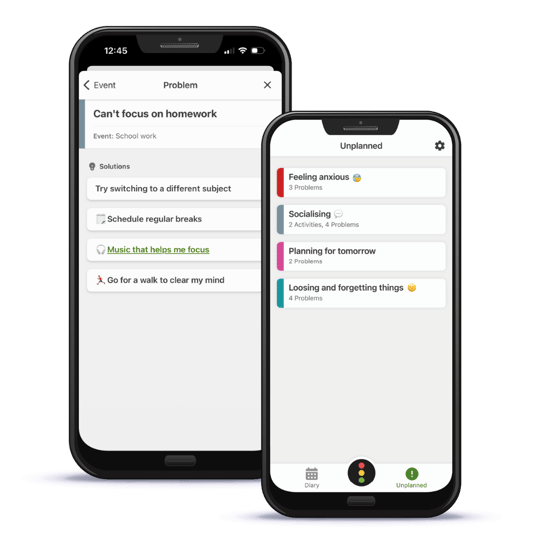
Brain in Hand combines simple digital tools with ongoing human to help you manage overwhelm, reduce anxiety and build motivation.
Who is Brain in Hand for?
Brain in Hand is for anyone whose day can be disrupted by anxiety, unexpected events, or the need to make decisions under pressure.
We often work with students who have difficulties with their mental health and anxiety and people who are autistic people or neurodiverse.
What makes BiH different from other products or support?
Personalised support:
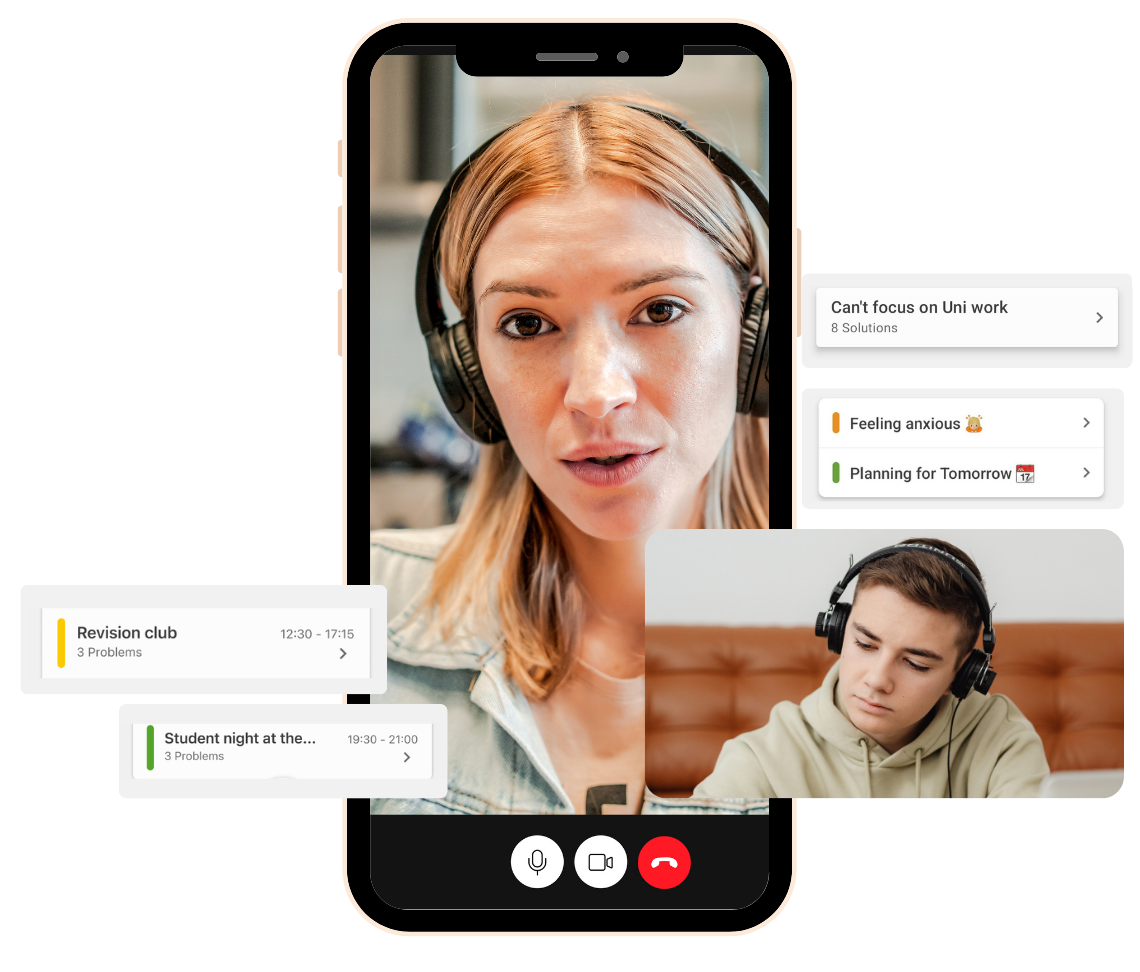
- A personal coach works with you to break down difficulties and focus on what matters.
-
Ongoing solution-focused coaching supports motivation and reduces overwhelm.
On-demand support if things get tough:
- For as long as a student has Brain in Hand, they can get in-the-moment support 24/7.
- A responder will contact you within 30 minutes at the touch of a button.
Take that first step. See if you are eligible for DSA.
We wish you all the very best in your journey.